




The construction industry has experienced a tremendous shift with the creativity of BIM Electrical. By seamlessly integrating bim electrical design, Electrical Bim Modeling, and a full suite of electrical bim services, this digital approach is redefining how electrical systems are conceived and installed. One might be an electrical bim engineer or a project leader looking at bim electrical software to reap benefits due to obvious reasons. Now let us look at how the design and installation processes are changed by BIM Electrical.

1. Centralized, Intelligent 3D Modeling with electrical bim modeling
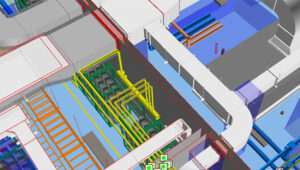
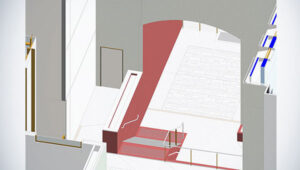
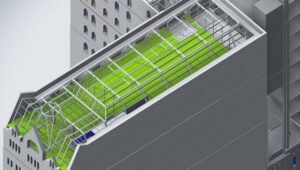
Generally, 2D layouts have a tendency to present misalignments, miscommunications, and reworks. Electrical Bim modeling replaces this risk with intelligent 3D models that embed rich data within every element. These models permit a precise visualization of circuits, panels, conduits, and fixtures, making bim electrical design not merely a drawing but a living model that sees alterations for the entire project lifecycle.
2. Seamless Coordination & Clash Detection
BIM Electrical is a point of truth where all disciplines work from one platform. Transparency enables proper bim electrical design and erases planning surprises. Electrical bim modeling optimized enables teams to catch problems early before they hit the field and minimize downtime during installations.
3. Prefabrication & Automation Enabled by electrical bim services
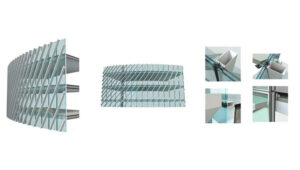
One of the significant advantages is for electric bim services like 3D shop drawings, prefabrication details, and automated annotation. Smartcadd offers electrical bim services that include BIM coordination and plug-in creation enabling rapid, accurate fabrication and installation.
4. Leveraging Toolsets: bim electrical software & bim electrical revit
Major tools such as bim electrical revit add model intelligence, clash detection, and dynamic coordination to the offer. Other specialized bim electrical software, including FINE MEP, offers built-in BIM CAD commands, IFC support, auto-routing, and intelligent object behaviors that are key to accuracy modeling.
5. Expert-Driven Workflow – The Role of the electrical bim engineer
Holding everything together at the center of BIM adoption is the electrical bim engineer, who works their way through Revit MEP, Navisworks, AutoCAD, and BIM 360 in order to ensure accurate and coordinated models. Early integration, rapid adjustment to changes, quality control, and cross-discipline communication are all part of their value-add.
Please read our detailed guide on BIM for Electrical Engineers: Key Concepts Explained
6. Planning Security & Resource Clarity
At the core of BIM adoption is the electrical bim engineer who works with Revit MEP, Navisworks, AutoCAD, and BIM 360 to have accurate and coordinated models. Early integration, fast response to change, quality assurance, and cross-discipline coordination are all part of his value-add.
7. Lifecycle Benefits & Asset Management
Aside from design and construction, BIM Electrical has a legacy. Where models contain manufacturer information, maintenance schedules, and certification information, they become a goldmine for operations and facilities management, assisting asset lifecycle choices long after construction is complete.
8. Community Best Practices & Standards
In forums like r/MEPEngineering, modelers emphasize bim electrical design consistency using standard symbols and naming keys for avoiding modeling errors and improving coordination. Standards, such as IFC and ISO 19650, undergird interoperability and structured workflows.
Please review the insights on What are the Future Trends in Electrical BIM Modeling Technology?

Key Takeaways
BIM Electrical is changing the game when it comes to designing and building electrical systems. From electrical BIM design and modeling to offering top-notch BIM services and cutting-edge software, they’ve got it all covered. The electrical BIM engineer skillfully brings these tools together, ensuring everything runs smoothly with clash-free coordination, automated prefabrication, models ready for their entire lifecycle, and clear planning that stands the test of time.
Whether you’re curious about “What is bim electrical?”, evaluating “Best bim electrical software?”, or exploring future trends, BIM Electrical holds the answers.
Conclusion
BIM Electrical is transforming the way we design and install systems by utilizing centralized modeling, improving coordination, streamlining workflows, automating processes, and managing the entire lifecycle. When we look at it from the angle of BIM electrical design, electrical BIM modeling, and the various services and software involved, including the expertise of electrical BIM engineers and the use of BIM Electrical Revit, this method offers incredible value.
Ready to elevate your projects with BIM Electrical? Partner with SmartCADD to transform your electrical workflows – reach out today to discover how we can power your success.


