



Data centers run on precision. They are also very keen when it comes to efficiency and reliability. BIM electrical helps keep systems steady and projects moving smoothly. So teams can avoid clashes and cut downtime. It also supports energy goals and keeps projects strong for the future.
In this blog, we will look at how BIM Electrical design is transforming data centers and construction.
Why Electrical BIM Is a Game-Changer for Data Centers
Data centers must run without breaks. Every second of downtime can mean lost revenue and broken service agreements that frustrate customers. That is why electrical design is at the heart of these facilities.
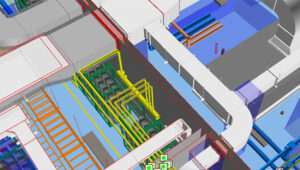
Electrical BIM brings Building Information Modeling (BIM) into electrical systems and MEP work. It gives teams a shared model to plan and check designs before building. With a shared digital model, teams can see how systems fit together and detect issues earlier. It helps teams to maintain transparency throughout the projects from start to finish.
The Rise of BIM Electrical Design in Mission-Critical Infrastructure
Data centers require more than a good design. They need uptime and backup systems, with productive energy use. BIM electrical software helps with that.
- Uptime: Spotting clashes early keeps things running smoothly and decreases unexpected downtime during operations.
- Redundancy: When backup systems are clearly modeled, they are ready to go when you need them.
- Energy optimization: Testing load and efficiency in BIM before you build helps save energy right from the start.
Need dependable Scan to BIM services? Read: Everything You Need to Know Before Outsourcing Scan to BIM Services
Visual suggestion: A graphic showing how design tools have evolved:
- CAD drafting: 2D layouts with limited coordination
- 3D CAD: Better visualization, but still siloed
- Electrical BIM modeling: Integrated, clash‑free, and energy‑aware design
Challenges in Traditional Data Center MEP Design
Before the introduction to BIM, teams faced many difficulties in coordination and documentation.
- Manual coordination forced teams to work on their own. It led them to design clashes and project delays.
- When teams stayed siloed, all the teams struggled to stay synchronized during design.
- Old paper drawings or disconnected files missed updates every time and led to expensive mistakes.
These challenges slow the project development process and increase risk.
See the Uptime Institute Tier Standards for additional information on redundancy and uptime requirements.
Core Technologies Behind Electrical BIM Services

How BIM Electrical Software Powers Smart Design
The advanced Electrical BIM uses intelligent tools compared to old drafting methods.
- Revit: BIM modules in BIM electrical Revit focus on electrical systems. That way, you get accurate models and can coordinate changes as they happen.
- AutoCAD MEP: It makes the drafting process easy for all the systems and keeps everything in sync.
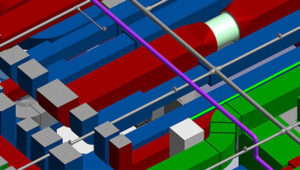
- Navisworks: When clash detection and project review happen earlier, teams catch and fix problems before construction starts.
Role of the Electrical BIM Engineer in Integrated Workflows
Electrical BIM engineers are the ones who really make these tools work. Their main tasks comprise:
- Load calculations: They focus on load calculations to make sure the power stays balanced and the system does not get overloaded.
- Cable routing: They design productive, error-free pathways that decrease installation time.
- Clash detection: They spot and fix problems between different systems before those issues even have a chance to slow things down.
By combining these tasks with BIM electrical software, engineers deliver integrated and clash‑free designs.
Benefits of BIM Electrical in Data Center Projects
Precision and Speed in Electrical BIM Modeling

- Automated clash detection: It finds conflicts right away. It cuts rework.
- Real-time updates: It helps the model stay current. Everyone uses the latest version.
- LOD control: It helps teams move from rough sketches to detailed drawings as the project moves forward.
Enhanced Visualization with 3D Rendering of a Data Center
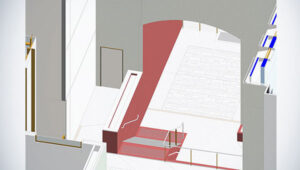
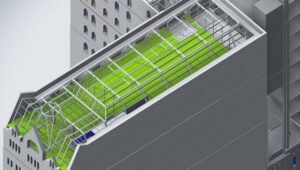
Visualization is a main advantage of BIM electrical workflows. It makes complex designs easy to understand and review.
- 3D rendering: It turns complex electrical layouts into a clear design. It will help to see how everything fits together and works.
- VR/AR walkthroughs: They allow stakeholders to step inside the data center before it is built. They can explore the electrical routes and give feedback to speed up approvals.
- Stakeholder alignment: When everyone sees what is happening, it is easier to stay synchronized. Decisions happen faster, and the design earns trust.
Seamless Coordination Across Data Center MEP Design
BIM electrical brings all disciplines into one model, so electrical, mechanical, and plumbing stay coordinated.
It helps teams work together. No silos. Less confusion.
The design supports redundancy and uptime. It also helps with energy use in Tier III and Tier IV facilities.
Why is It Important for Data Centers
- Fewer design errors means Less risk of downtime
- Clear visuals give stakeholders confidence to move forward sooner
- Better integration helps electrical work smoothly with fire safety and IT
BIM Electrical in AI Data Centers
AI data centers are not like traditional ones. They run heavy jobs such as training deep models and serving large language models in real time. That means dense GPU racks, higher power use, and advanced cooling.
How BIM Electrical helps:
- Power for GPUs: Models high‑capacity circuits. Balances loads so clusters do not trip or stall.
- Cooling integration: Aligns electrical layouts with liquid cooling and HVAC. Prevents hotspots.
- Redundancy: Maps backup power clearly. Keeps training and inference online 24/7.
- Energy planning: Simulates AI loads before build. Cuts waste and controls costs.
By using BIM Electrical, AI data centers stay fast, efficient, and reliable today and as they scale.
Why Choose SmartCADD for Electrical BIM Services
Our Expertise in BIM, Electrical Revit, and Data Center Design
SmartCADD has a team of certified electrical BIM engineers with years of experience in data center design. We follow ISO 19650 workflows that help us keep the process accurate and legal.
Our team knows Revit and Tier standards well. We create precise models that stay coordinated for sites. It reduces errors and makes teamwork easier. It also delivers designs that work well in real projects.
Support from Design to Handover
We stay with you during the whole project, not only during the design phase. We set up the 3D data center design software and handle coordination in teams to keep details on track.
We run clash detection and keep models updated. We also add quality checks at every stage. This way, everyone works from reliable information.
Before final delivery, every model and drawing has to go through the final QA to give stakeholders confidence in accuracy and functionality. This all-over support helps projects move faster and avoid rework. It also ensures an easy transition into operations.

Conclusion: Future-Proof Your Data Center with BIM Electrical
BIM Electrical is not just a design tool. It is a clear way to maintain the reliability and compliance of your data center. By coordinating electrical models across teams, it spots issues before they reach the site. RFIs and delays are reduced because everyone is on the updated version due to the automated clash checks and real-time updates.
Electrical BIM services provide precision and speed at every level, whether you are constructing a regional edge center or a hyperscale project. Clear 3D visuals help teams understand the plan. Standardized workflows keep the process steady from concept to delivery.
The result is simple: Smoother collaboration and faster builds. You will have systems that work as expected when operations begin. All things considered, BIM electrical design makes your data center long-lasting and prepared for both current demands and future expansion.


