



Introduction – The Growing Complexity of Large-Scale Architectural Projects
Large-scale architectural projects, such as commercial complexes, hospitals, airports, campuses, and mixed-use developments, are no longer defined by simple design workflows. These projects involve multiple buildings, phased construction, large consultant teams, and constantly evolving requirements. In such environments, traditional design methods struggle to maintain accuracy, coordination, and speed.
This is why architectural BIM modeling has become a critical foundation for large-scale project success. Unlike conventional workflows, architectural BIM modeling provides a centralized, intelligent design environment that supports coordination, visualization, and decision-making at scale.
What Is Architectural BIM Modeling and How It Works
Understanding Architectural BIM Modeling
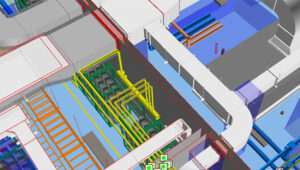
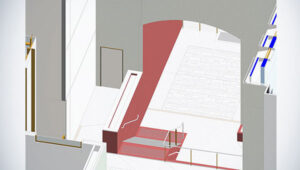
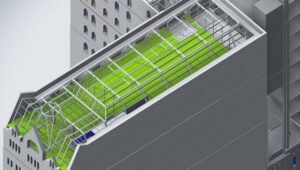
Architectural BIM modeling is the process of creating intelligent, data-rich digital models that represent architectural elements such as walls, floors, façades, doors, windows, and spatial layouts. These models are not just 3D representations; they carry information that supports design development, coordination, and lifecycle planning.
Through architectural BIM modeling services, architects gain a dynamic model that evolves throughout the project rather than static drawings that become outdated quickly.
Learn more about Architectural BIM Services and how they streamline design coordination, improve accuracy, and drive efficiency across the entire building lifecycle.
Architectural BIM Modeling vs Conventional CAD Workflows
Traditional CAD-based workflows focus on 2D drawings that are disconnected from one another. Any change requires manual updates across multiple views, increasing the risk of inconsistency.
In contrast, architectural BIM modeling ensures that every design element is interconnected.
Data-driven models
Each component in an architectural BIM model carries parameters such as dimensions, materials, and relationships. This data-driven approach improves accuracy and consistency.
Real-time coordination
Changes made in one view automatically reflect across plans, sections, elevations, and 3D views, making architectural BIM modeling far more reliable for large-scale projects.
Role of Architectural BIM Modeling Services
Professional architectural BIM modeling services support architects by transforming design intent into coordinated, build-ready models. These services bridge the gap between conceptual architectural design services and technical execution, ensuring scalability and precision.
Challenges in Large-Scale Projects Without Architectural BIM Modeling

Design Coordination Issues
Large-scale projects involve multiple stakeholders working simultaneously. Without architectural BIM modeling, design coordination often breaks down, leading to overlapping elements, misaligned layouts, and inconsistent documentation.
Poor Design Visibility and Late Revisions
When teams rely solely on architectural drafting services, it becomes difficult to visualize complex spatial relationships. This often results in late-stage design changes, one of the most expensive problems in large projects.
Approval Delays and Stakeholder Misalignment
Large developments require approvals from multiple authorities and stakeholders. Without clear visualization, stakeholders struggle to understand design intent.
Why are architectural drafting services alone not enough
While drafting services are essential, they lack the clarity and intelligence provided by architectural BIM modeling, especially for projects with scale and complexity.
How Architectural BIM Modeling Solves Large-Scale Project Challenges
Centralized Design Intelligence
Architectural BIM modeling creates a single source of truth for the entire project. All design decisions, revisions, and updates are managed within one coordinated model, reducing confusion and duplication.
Enhanced Design Accuracy with Architectural 3D Modeling Services
Architectural 3D modeling services allow teams to explore design options visually before finalizing decisions. This improves design confidence and minimizes rework in later stages.
Seamless Integration with Structural and MEP Teams
Large-scale projects demand close collaboration between architecture, structure, and building services.
Supporting multidisciplinary collaboration
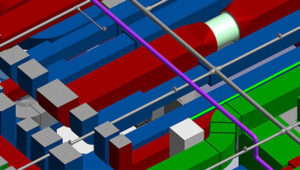
Architectural BIM modeling integrates seamlessly with engineering models, improving alignment across disciplines.
Reducing design conflicts early
Potential clashes and inconsistencies are identified during design, not during construction, saving time and cost.
Key Benefits of Architectural BIM Modeling for Large Projects

Improved Design Quality and Consistency
With architectural BIM modeling, design quality remains consistent across buildings, floors, and phases, an essential requirement for large developments.
Faster Decision-Making and Fewer Revisions
Stakeholders can review coordinated 3D models instead of interpreting complex drawings. This accelerates approvals and reduces design revisions.
Better Control Over Design Changes
Change is inevitable in large projects. Architectural BIM modeling allows teams to manage changes systematically, ensuring updates are reflected accurately across the model.
Scalability Across Phases and Buildings
Architectural BIM modeling supports phased development and future expansion, making it ideal for large campuses and multi-building projects.
Architectural BIM Modeling Across Project Lifecycle
Concept and Schematic Design
During early stages, architectural BIM modeling helps test massing, spatial layouts, and design feasibility.
Design Development and Detailed Modeling
As the project evolves, architectural BIM services support detailed modeling aligned with construction requirements.
Construction Documentation and Coordination
Architectural BIM modeling ensures drawings remain coordinated and accurate throughout documentation and coordination phases.
Long-Term Asset and Facility Planning
BIM models support future renovation, expansion, and facility management, adding long-term value beyond construction.

Choosing the Right Architectural BIM Services Partner
What to Look for in Architectural BIM Modeling Services
A capable partner should offer structured workflows, strong quality control, and experience handling large-scale projects.
Architectural Design Services vs BIM-Driven Design
While traditional architectural design services focus on creativity and intent, architectural BIM modeling ensures that designs are executable, coordinated, and scalable.
Importance of Experience in Large-Scale Projects
Quality control
Large projects demand strict modeling standards and review processes.
Standardized BIM workflows
Consistency across teams and phases is essential, something only mature architectural BIM modeling services can provide.
Conclusion – Why SmartCADD Is the Right BIM Partner for Large-Scale Projects
In today’s construction landscape, large-scale projects cannot afford fragmented design processes or late-stage surprises. Architectural BIM modeling provides the clarity, coordination, and control required to manage complexity at scale.
SmartCADD delivers high-quality architectural BIM modeling solutions tailored for large-scale projects, helping clients reduce risk, improve coordination, and deliver designs with confidence.

