



Introduction: A New Era of Performance-Driven Design
In recent years, the AEC industry has undergone a massive transformation, thanks to the emergence of digital technologies like BIM Services(Building Information Modeling). Among the most revolutionary advances is BIM Generative Design, which fuses the power of algorithms with the structured intelligence of BIM. This integration is redefining how professionals approach building performance—making it faster, more data-driven, and highly efficient.
By automating the creation of multiple design options based on specific goals and constraints, BIM Generative Design enables architects and engineers to explore a broader range of possibilities early in the design process. When combined with building information modelling, this approach unlocks smarter decisions and superior outcomes.

Understanding Generative Design in the BIM Context
BIM Generative Design uses computational algorithms to automatically produce design options that meet predefined criteria such as energy efficiency, space utilization, structural integrity, and aesthetics. This process begins by feeding parameters—like site dimensions, building orientation, and material constraints—into a generative engine within a BIM environment.
Once input parameters are set, the system generates dozens or even hundreds of design alternatives. Each option is analyzed using real-time simulation tools embedded within 3D modeling bim platforms. The selected solution is seamlessly integrated into the overall bim process, allowing stakeholders to review and refine the model collaboratively.
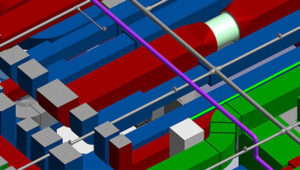
Because these generative workflows are tightly linked with tools like Revit, they also support revit clash detection, ensuring coordination and reducing errors early in the lifecycle. Ultimately, this leads to better performance, fewer change orders, and smarter construction outcomes.
Key Benefits of Generative Design for Building Performance
When applied correctly, BIM Generative Design brings measurable value to every phase of the bim process. Let’s explore the major benefits:

- Enhanced Design Efficiency: Automating repetitive and rule-based design tasks saves significant time, allowing designers to focus on creative and strategic challenges.
- Sustainable Outcomes: Designs optimized through BIM often factor in lighting, ventilation, thermal performance, and more. This ensures compliance with sustainability standards and reduces operational costs.
- Informed Decision Making: The system provides real-time feedback on spatial configuration, energy performance, and cost—empowering users to make data-driven decisions.
- Reduced Waste: By optimizing form and materials digitally, BIM Generative Design minimizes resource usage during construction.
- Improved Coordination: Early detection of conflicts through automated tools like Clash detection and revit clash detection reduces rework and boosts project accuracy.
- Higher Performing Buildings: Every model undergoes rigorous analysis, ensuring it meets high standards in acoustics, thermal comfort, and daylighting—key goals of BIM in Architecture.
Real-World Applications Without Case Studies
Without diving into specific case studies, it’s clear that BIM Generative Design is applicable across a wide range of project types and disciplines within the AEC industry. Some notable use cases include:
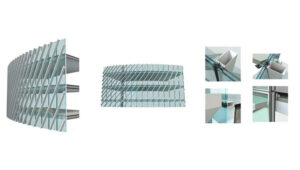
- Facade Optimization: Designers can generate and evaluate thousands of façade patterns that respond to solar gain, views, or privacy—all within a single building information modelling environment.
- Space Planning: Hospitals, schools, and office buildings can benefit from algorithms that optimize spatial relationships and adjacencies.
- Structural Optimization: By applying 3D modeling bim principles, engineers can reduce material use while preserving structural integrity.
- Urban Design and Master Planning: Generative design tools can lay out entire neighborhoods or complexes based on zoning regulations, pedestrian flows, and energy use patterns.
Challenges in Adoption and Implementation
Despite its promise, BIM Generative Design comes with a learning curve. Adopting this method often requires familiarity with visual programming tools like Dynamo or Grasshopper, along with a strong understanding of the bim process.
Data management is another critical challenge. The success of generative workflows depends on clean, structured data that can interact fluidly with design rules. Moreover, while many tools offer Clash detection, ensuring they are set up correctly within the design environment is vital to success.
Cost and hardware limitations may also pose hurdles for small firms. Additionally, even though BIM promotes automation, professional judgment is still essential in validating results.

Future Outlook: Where BIM Meets AI-Driven Design
As AI and machine learning continue to evolve, BIM Generative Design will become even more powerful. Emerging technologies will enable tools that not only generate options but also learn from past designs to predict better outcomes.
Expect tighter integration between building information modelling platforms and cloud-based engines capable of processing vast data sets. These systems will support full-lifecycle modeling—combining design, construction, and operations in one platform.
Looking forward, generative design will help deliver smarter cities, more resilient buildings, and net-zero energy facilities. As tools like 3D modeling bim and revit clash detection become more intuitive, adoption will continue to grow across all sectors of the AEC industry.
Getting Started: Practical Tips for Firms and Teams
For firms new to BIM Generative Design, it’s best to begin small. Select a pilot project or a specific design task—like optimizing a lobby layout or façade configuration—and test generative methods there.
Invest in tools like Autodesk Revit, Dynamo, or Rhino + Grasshopper, and train your teams to build proficiency in algorithmic thinking. Clearly define objectives such as energy savings, space utilization, or daylight access, and measure how well generative solutions meet them.
Always embed Clash detection and revit clash detection tools into your bim process to ensure model reliability and coordination. Remember, success with BIM in Architecture requires both technology and strategy.
Conclusion: Designing for Performance, Powered by Intelligence
The integration of BIM Generative Design into the design workflow marks a transformative step for the AEC industry. It empowers professionals to not only create more options but also to identify the best-performing ones—all while reducing time, cost, and environmental impact.
By merging the intelligence of building information modelling with generative algorithms, the future of building performance becomes more data-driven and results-oriented.
SmartCADD is committed to helping architects, engineers, and designers harness the full potential of BIM Generative Design.

